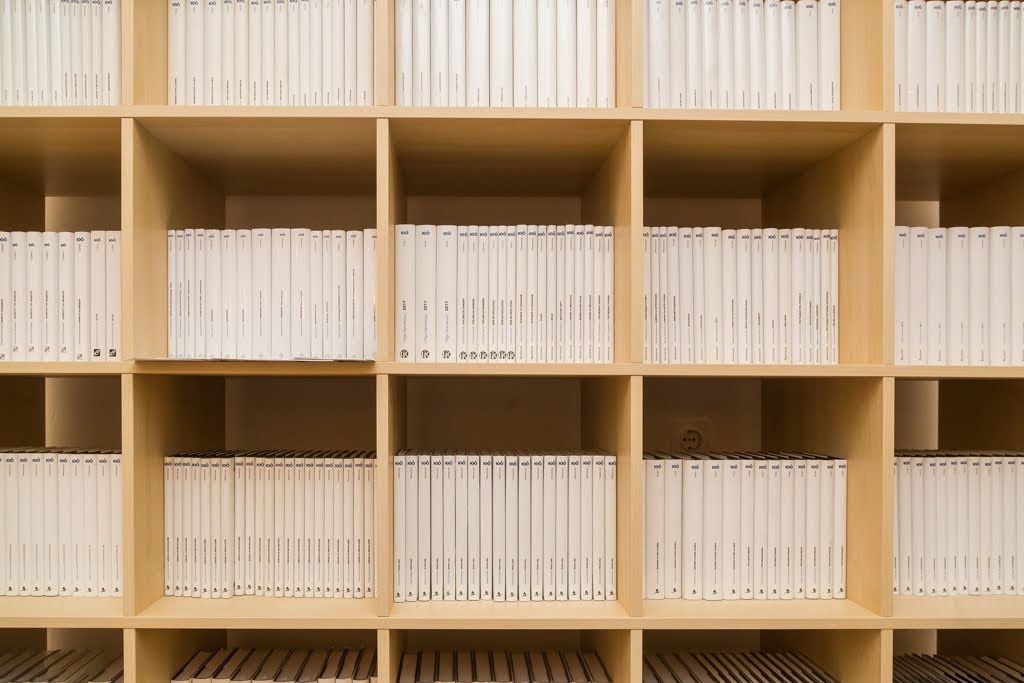
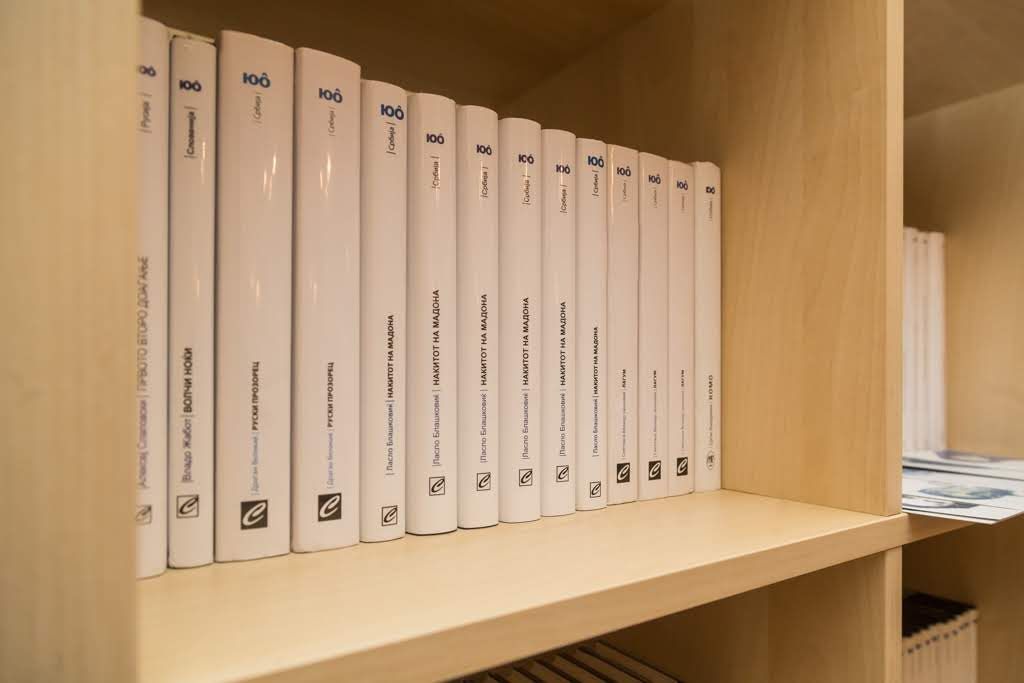
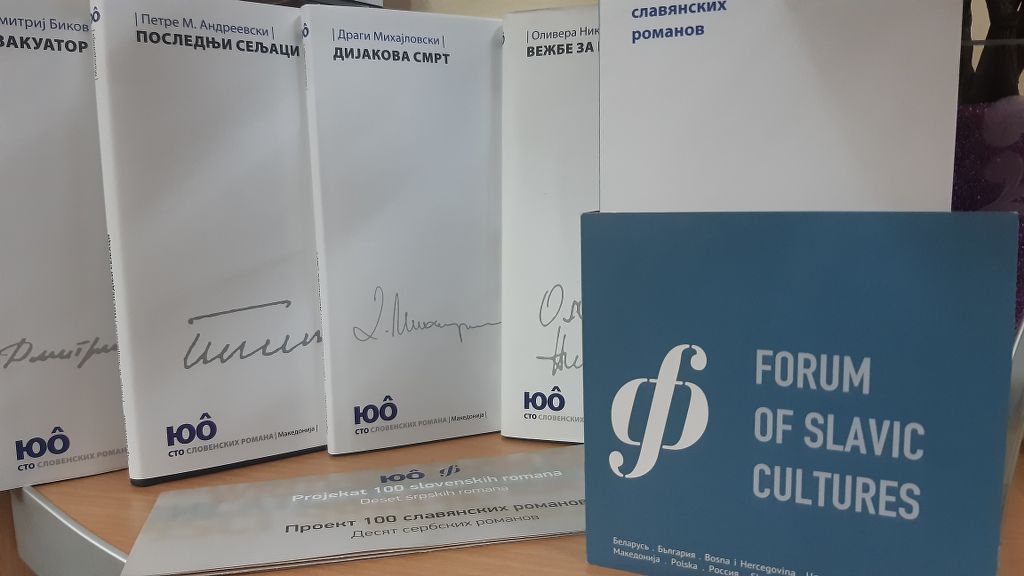
The 100 Slavic Novels series is an international literary programme promoting contemporary Slavic literature written after the fall of the Berlin Wall. The collection represents a highly successful example of literary exchange among the Slavic cultures, establishing close ties among Slavic writers, translators and readers. With a well thought-out selection of the twelve best novels from the participating countries – Belarus, Bulgaria, Croatia, North Macedonia, Montenegro, the Russian Federation Serbia, Slovakia and Slovenia – it fills a literary gap in modern Slavic literature and breathes new life into the Slavic literary world.
100 Slavic Novels is much more than just a literary series, it is a project that brings together authors, translators and literary professionals, and is dedicated to their presentation and promotion.
“The initiators of the 100 Slavic Novels collection only hoped that it would not be another stillborn idea. We were aware that the Slavic world was fragmented enough, if not even split, that even the best of ideas could be shattered on the rocks of reality. We were driven by the belief that, despite all the differences, we belong to the same identity circle and that we therefore have something to say to each other. Among various literary expressions, we chose the novel. This literary genre at least in the traditional sense, articulates the totality of the world. We wanted to find out more about each other through the novels. We spent the years after the fall of communism in a kind of mutual ignorance as if ashamed of the poverty of our nephews and ourselves. Nowadays, Slavic novels have found their common home.”
Mitja Čander First Editor-in-Chief of 100 Slavic Novels










Sreten Asanović

Husein Bašić

Balša Brković

Zuvdija Hodžić

Pavle B. Jovanović

Mirko Kovač

Mihailo Lalić
Andrej Nikolaidis

Milorad Popović
Dragan Radulović

Ognjen Spahić

Čedo Vulević

Venko Andonovski
Insubordinate

Petre M. Andreevski

Krste Chachanski

Dimitar Bashevski
Slavko Janevski

Ermis Lafazanovski
Slobodan Mickovic

Dragi Mihajlovski

Olivera Nikolova

Aleksandar Prokopiev
Goce Smilevski
with Spinoza

Vlada Uroshevic

Olga Slavnikova

Ludmila Ulitskaya

Alexey Ivanov

Tatyana Tolstaya

Aleksandr Kabakov
Roman Senchin

Alexei Slapovskiy

Marina Stepnova

Aleš Čar

Drago Jančar

Feri Lainšček

Florjan Lipuš

Katarina Marinčič

Marko Sosič

Marjan Tomšič

Suzana Tratnik
Jani Virk

Vlado Žabot

Balla
Anton Baláž

Ladislav Ballek

Peter Jaroš
Ján Johanides
the Pope of Hungary

Monika Kompaníková
Dušan Kužel
Dušan Mitana

Stanislav Rakús

Rudolf Slobod

Vincent Šikula

Pavel Vilikovský

Aleksandar Gatalica

Vida Ognjenović

Srđan Valjarević

David Albahari

Svetislav Basara

Laslo Blašković
Radoslav Petkovi
Goran Petrović
"Lucky Shot"
Vladimir Pištalo

Vladimir Tasić
Dragan Velikić
Svetlana Velmar-Janković

Dalibor Cvitan

Robert Perišić

Miljenko Jergović

Nada Gašić
Renato Baretić
Bora Ćosić
Daša Drndić
Mirko Kovač
Josip Mlakić

Olja Savičević Ivančević
Goran Tribuson
Dubravka Ugrešić
Mladen Vesković
Gojko Božović

Yulia Sozina

Tomislav Osmanli

Miroslava Vallová
Anatoly Kreidich
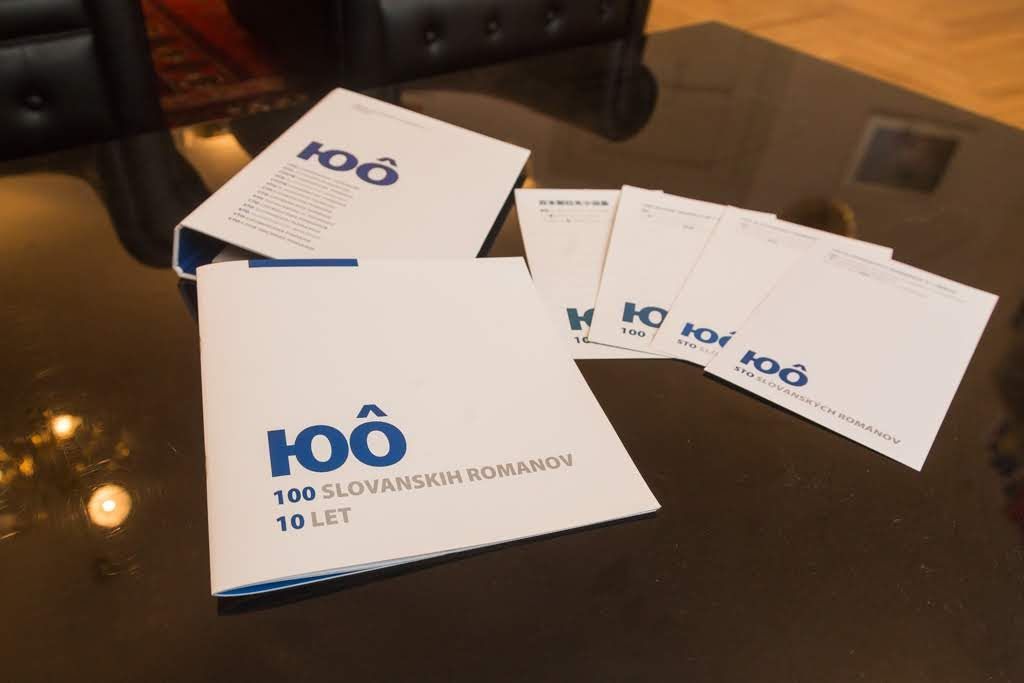

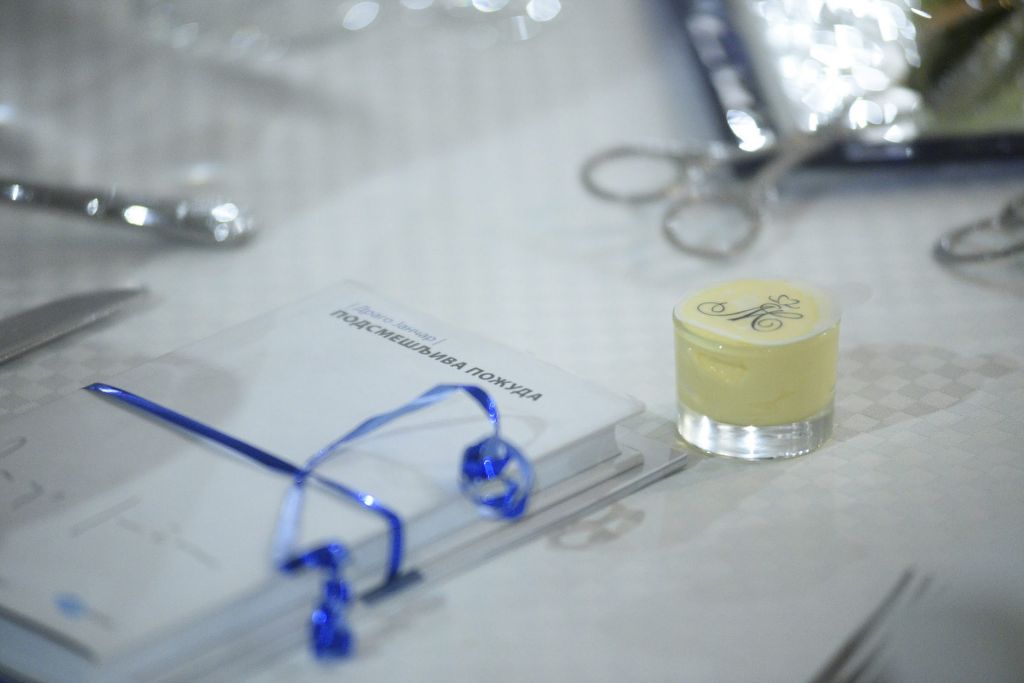
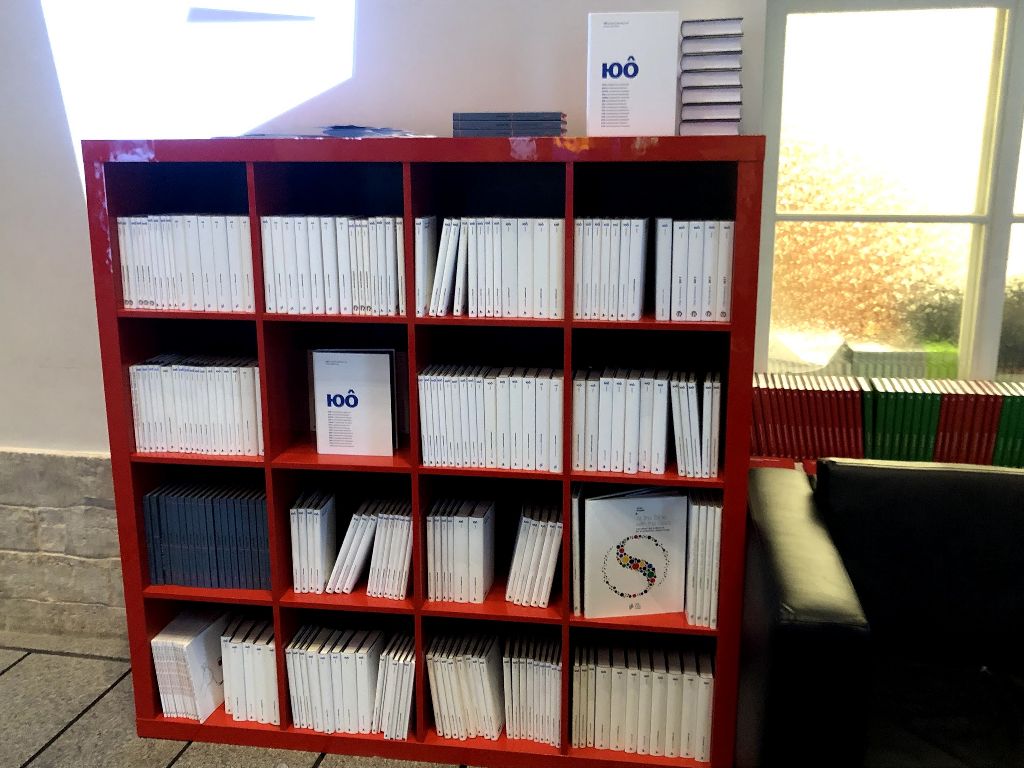
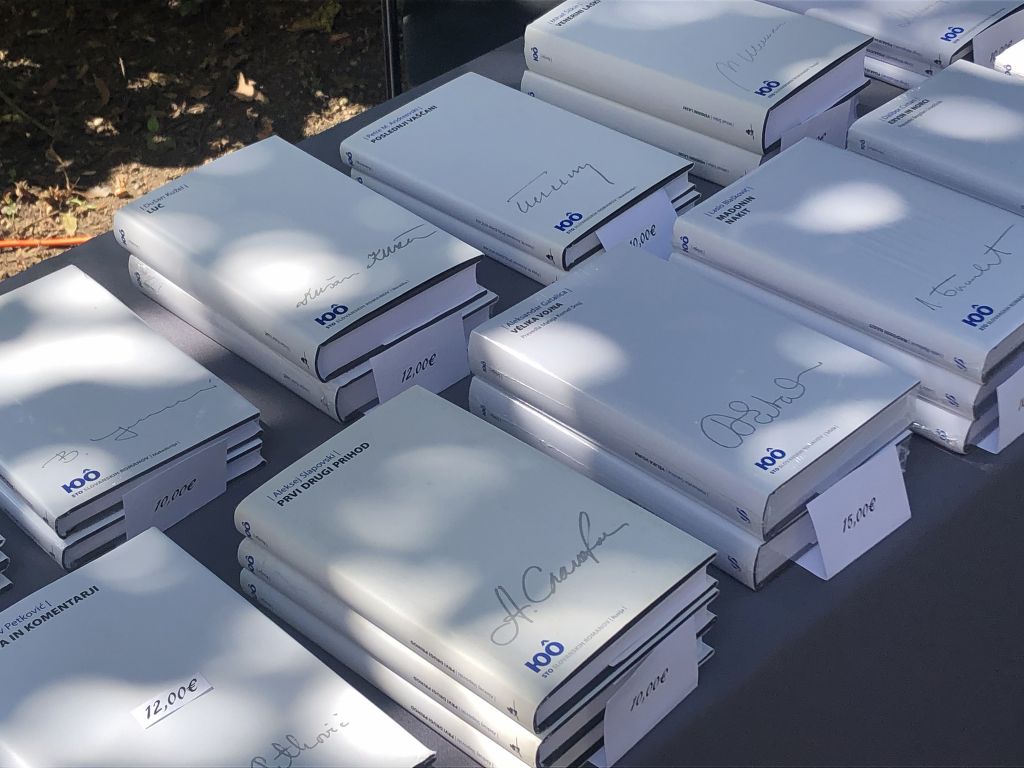

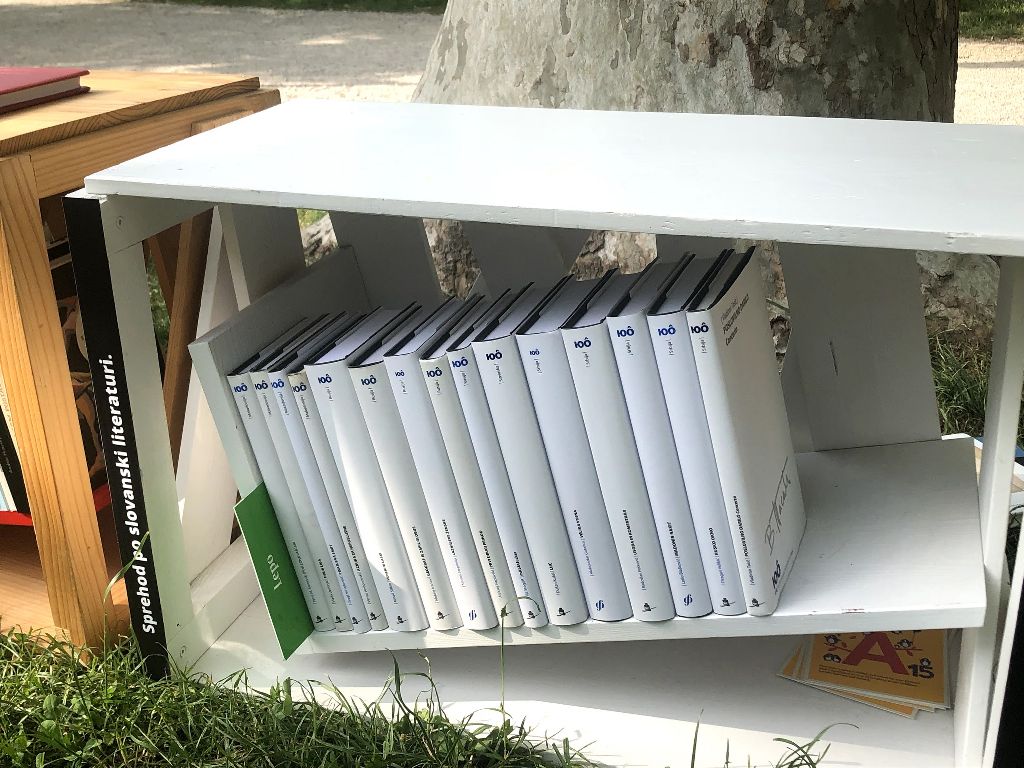
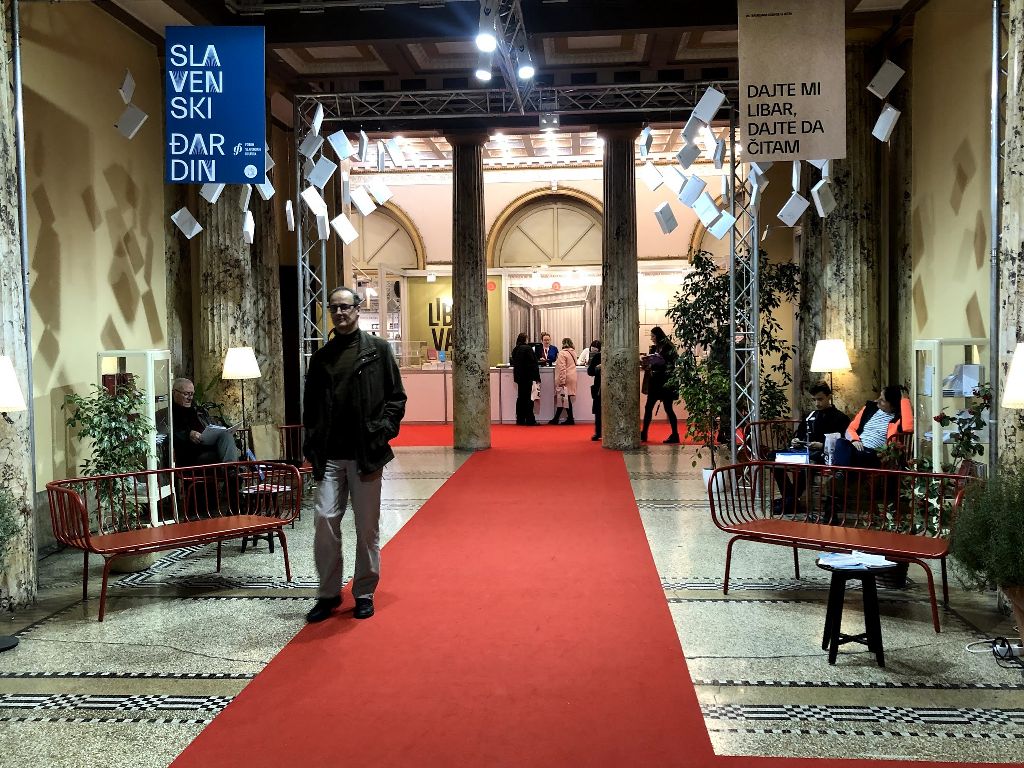

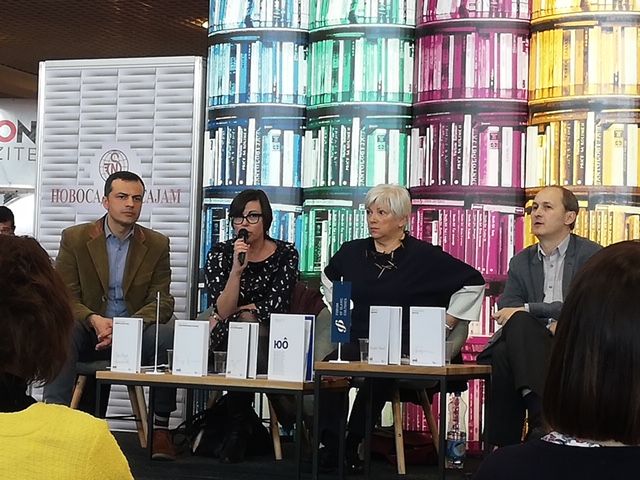
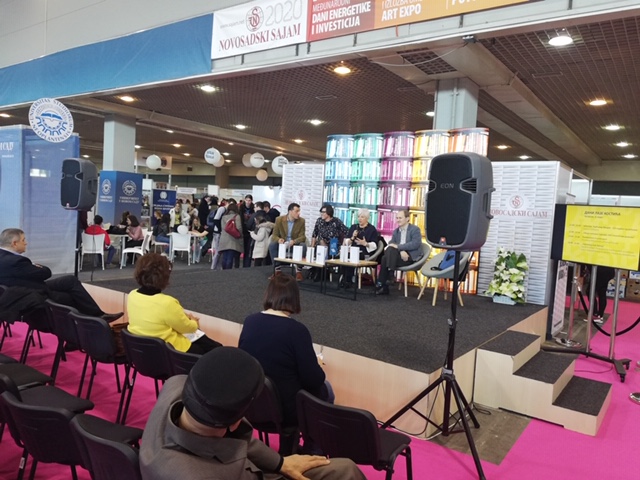
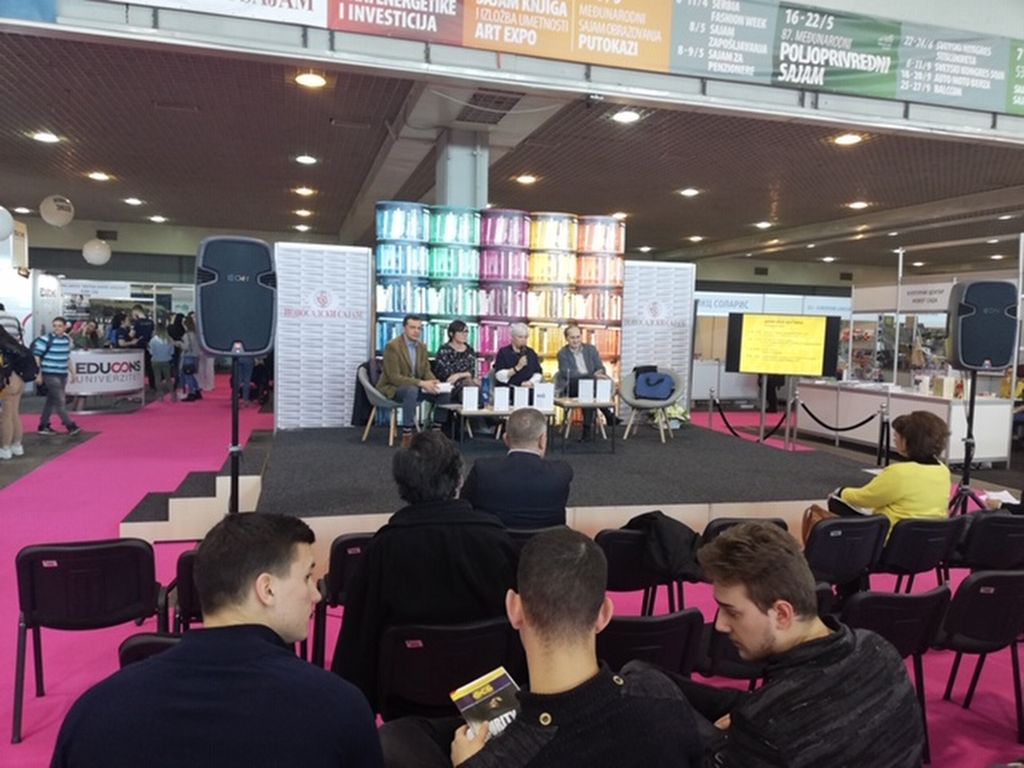
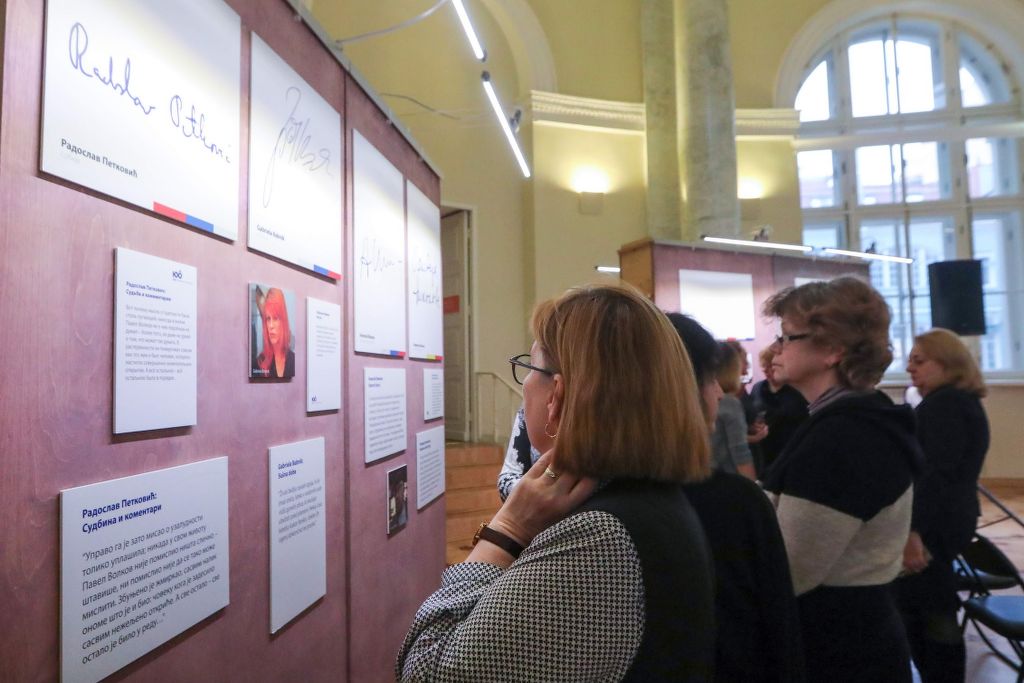

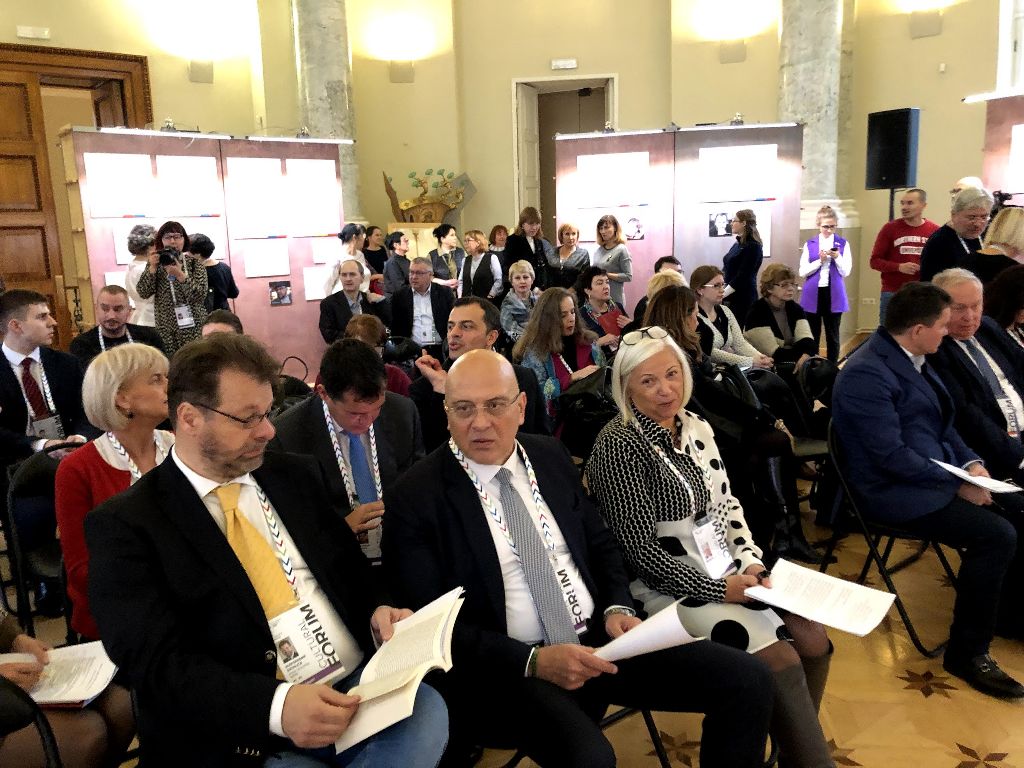

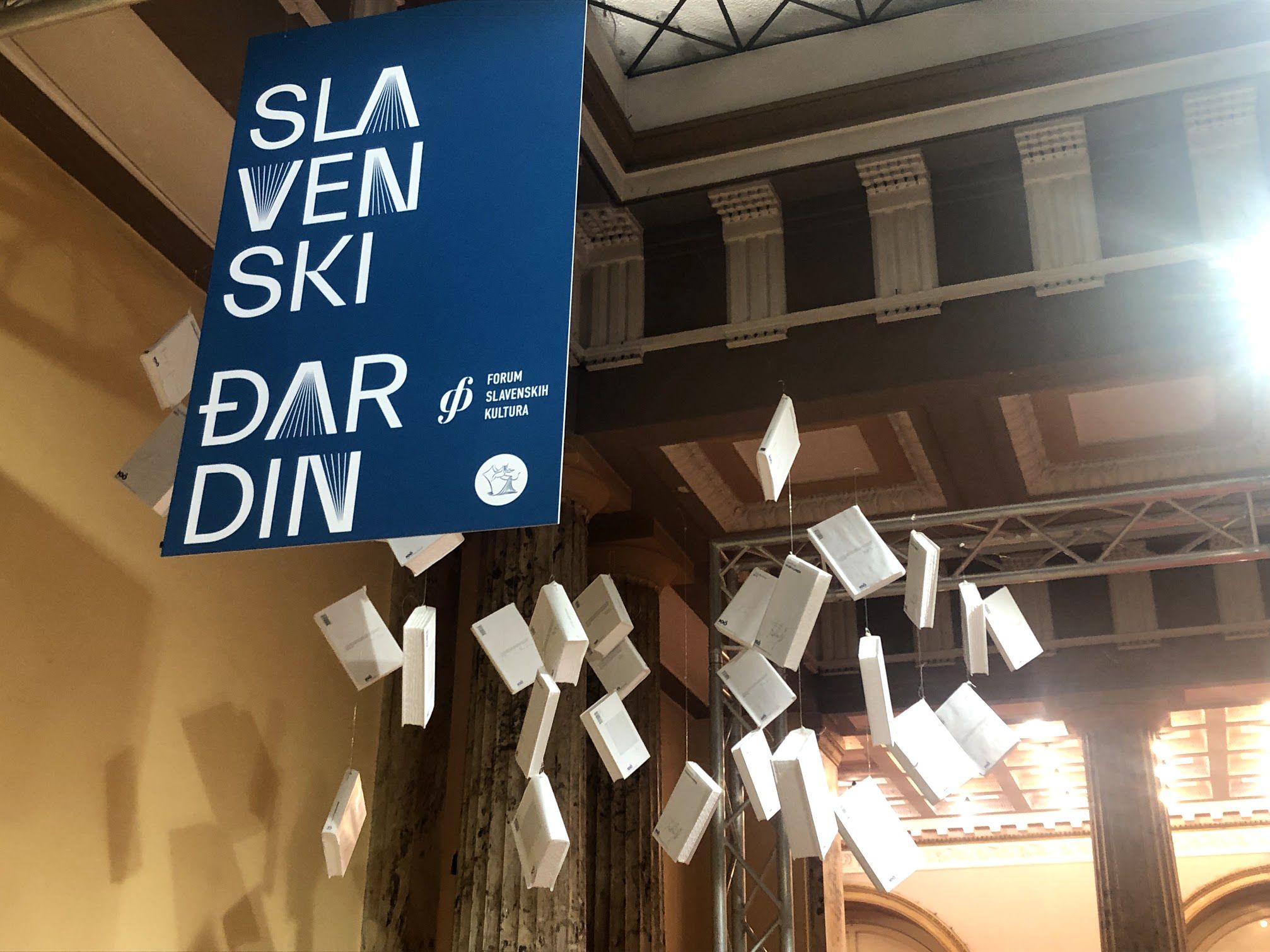

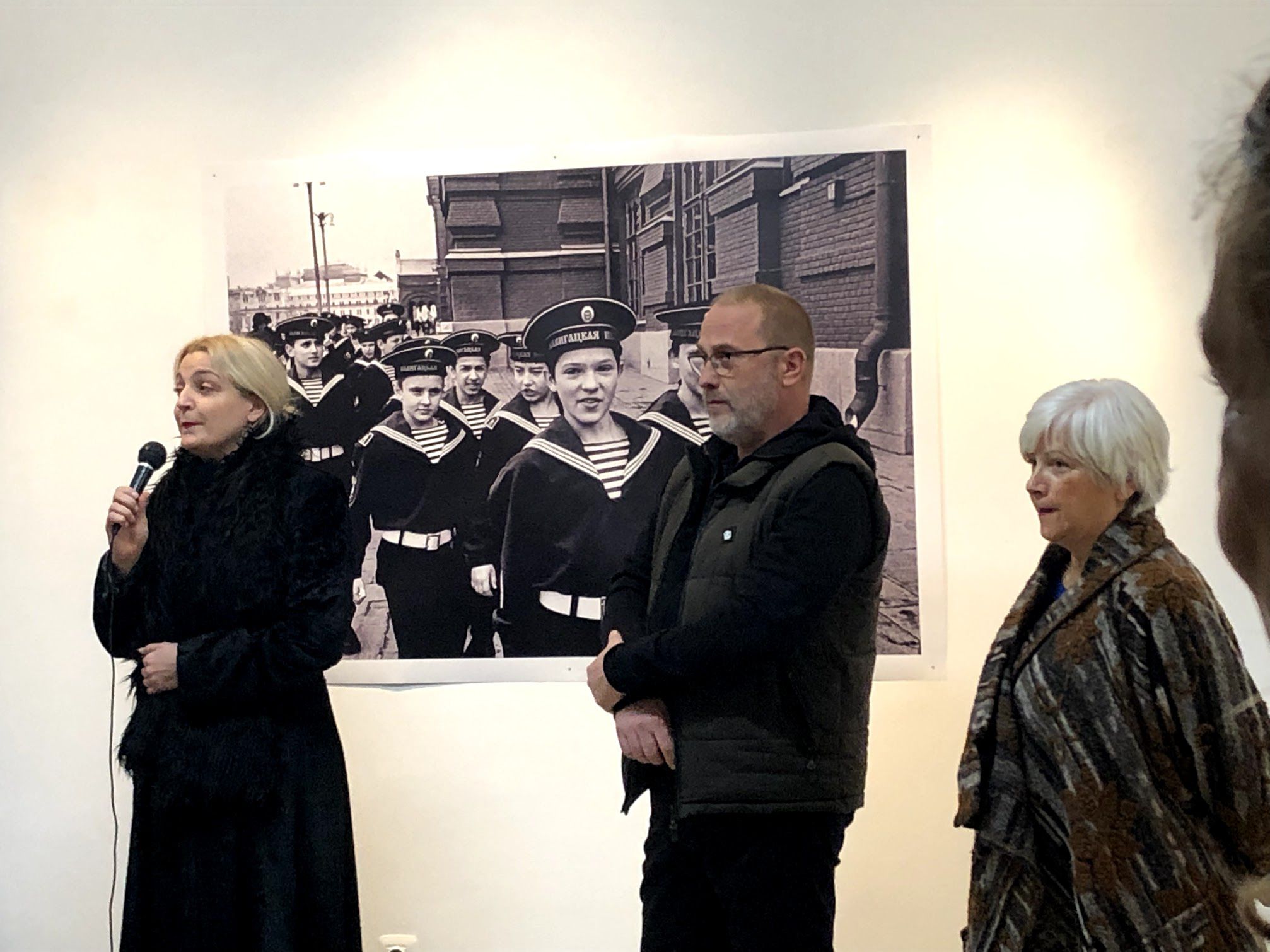

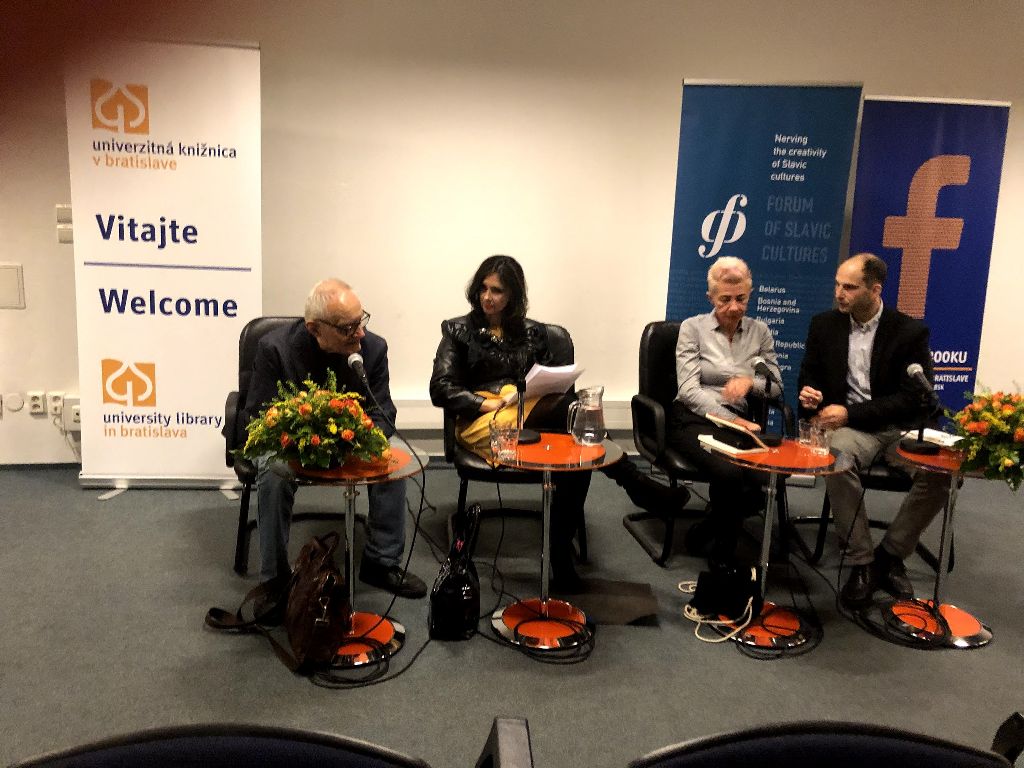

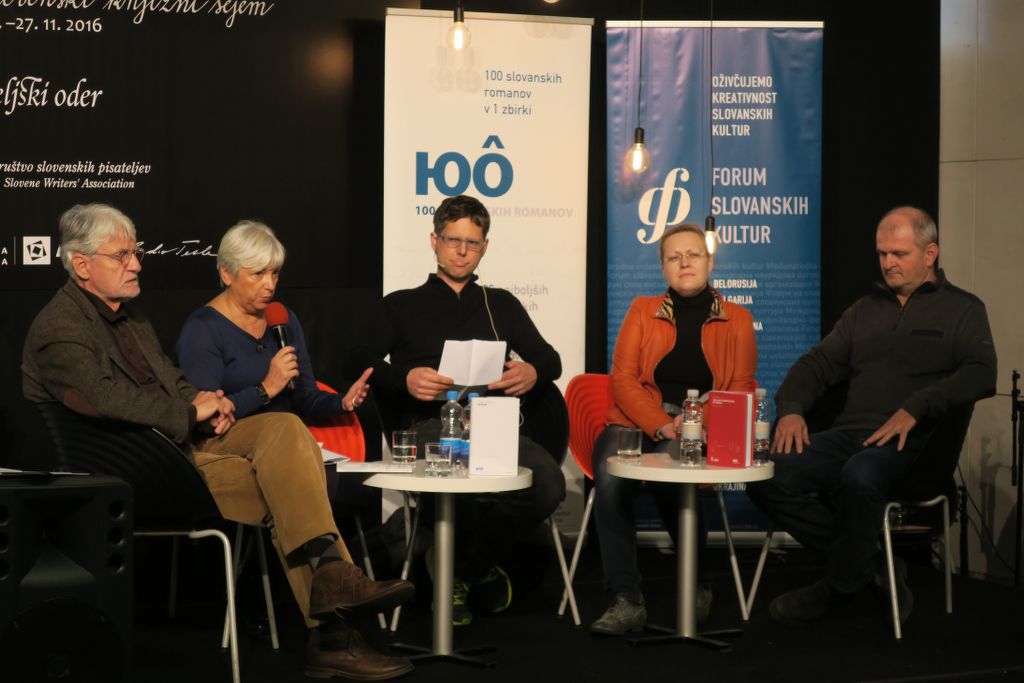
FSK na Slovenskih dnevih knjige v Mariboru
Ob 20. obletnici bo FSK znova gostoval v Mariboru, tokrat s knjigami.

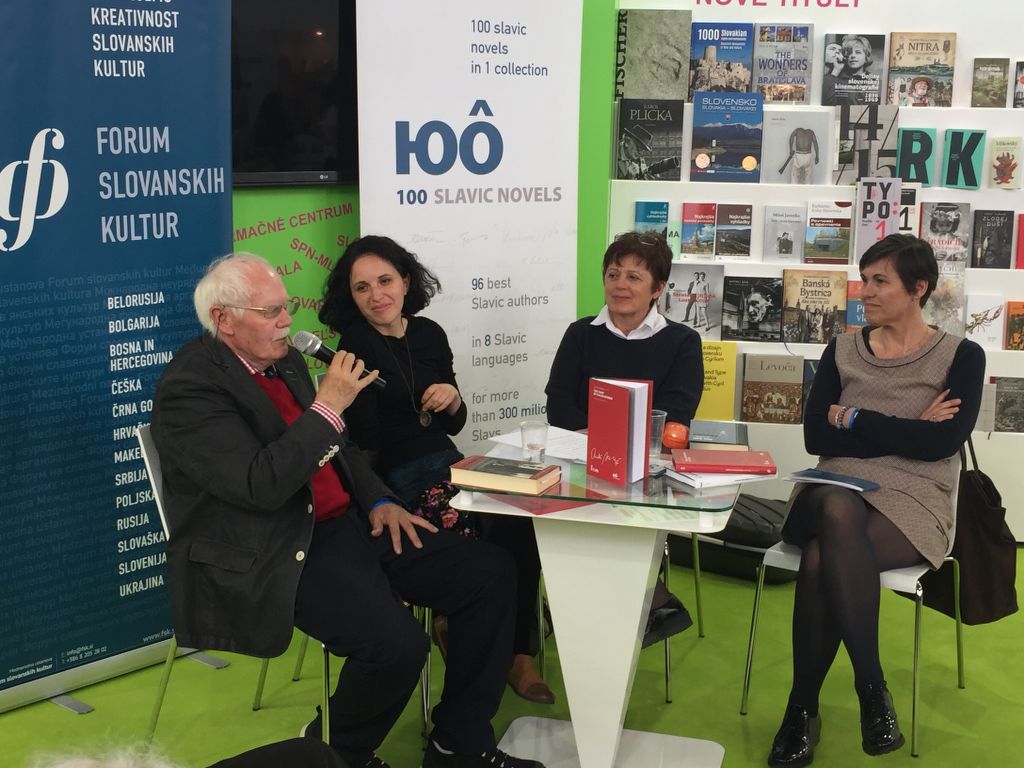
International Golden Museological Programme at Villa Zlatica
The festival took place in the garden of Villa Zlatica and the Forum of Slavic Cultures. Both authors had their novels recently published in the Hundred Slavic Novels collection, with Slovenian translations of Špegavec and Četrtek.
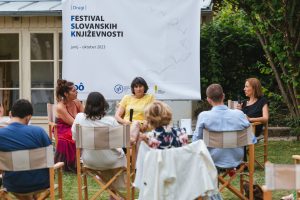
Zdravka Evtimova and Aleksandar Prokopiev at the Spring-Summer Festival of Slavic Literatures
The festival took place in the garden of Villa Zlatica and the Forum of Slavic Cultures. Both authors had their novels recently published in the Hundred Slavic Novels collection, with Slovenian translations of The Peeper and Thursday.